
Local angles
Smog, Wildfire Smoke and Indoor Air in LA County
The best wildfire smoke air purifier setup in Los Angeles is a portable HEPA cleaner in the room you use most, plus a MERV 13 filter in your HVAC system if the system can handle it. Close the windows first. Never use an ozone generator.
- CSLB C-20 #776028
- 4.8 from 16 Google reviews
- Shop in USA Business Park
- Open Mon to Sat, 9 to 5
By Proair Air Conditioning Services, CSLB C-20 License #776028. Published October 30, 2026. Updated October 30, 2026.
Smog and smoke are different problems
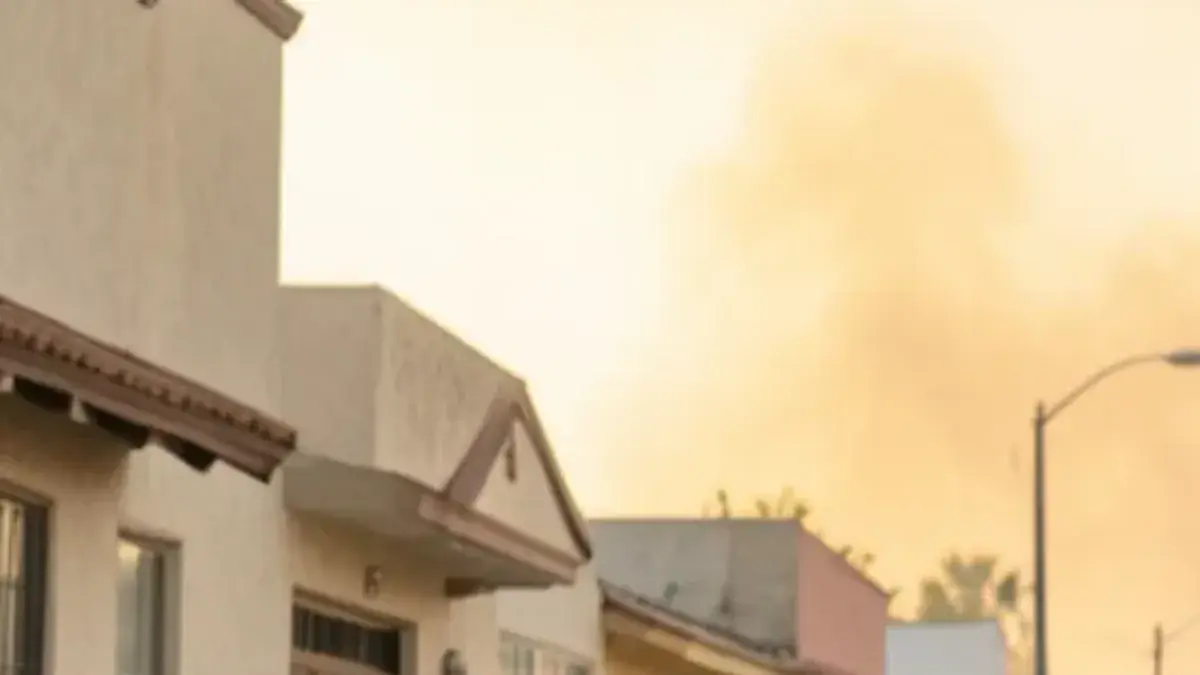
Smoke is mostly fine particles. Smog in the LA basin is largely ozone, a gas that builds on hot, sunny days. That difference decides what works. Filters catch particles. Gases pass through a standard filter, and EPA says removing them takes an activated carbon or similar absorbent filter, with no widely used rating for how well that performs.
So a HEPA cleaner is the tool for smoke. For ozone days, the main defense is closed windows and less time outside. South Coast AQMD says high ozone typically runs April through October and peaks in the afternoon. Track both on its site, which posts advisories and current readings. The agency issued smoke advisories in every month from April through August of 2026, so sign up for its alerts.
South Gate has a third layer. CARB places the city in its Southeast Los Angeles community, with Walnut Park, Cudahy and parts of Huntington Park and Bell Gardens. The 2020 plan for that area lists truck traffic and freeways, railyards and rendering facilities among its priorities. Diesel exhaust carries fine particles, so particle filtration earns its keep here on ordinary days too.
Smoke in the air? Ask us what your system can handle.
Call Proair and we will talk through filter options for your return and your ducts, with a clear, upfront quote.
- CSLB C-20 #776028
- 4.8 from 16 Google reviews
- Shop in USA Business Park
- Open Mon to Sat, 9 to 5
What should you do the day smoke arrives?
South Coast AQMD and EPA give close to the same advice. This order works.
Close the house
Shut windows and doors. Skip swamp coolers and whole-house fans, which pull in outside air.
Set the system to recirculate
Most home central systems already recirculate. If yours has a fresh-air intake, close it. On a window unit, close the outdoor air damper, as CDC advises.
Install a clean filter
Use MERV 13 or the highest rating your system handles. Make sure it fits snug.
Run the fan on On
EPA says On instead of Auto during poor air, so the filter keeps working between cooling cycles.
Build one clean room
Close a bedroom, run a portable HEPA cleaner on high, and stay there as much as you can.
Stop adding pollution
Avoid candles, frying, gas stoves where you can, smoking and vacuuming without a HEPA vacuum.
When the air improves, even for a short time, EPA suggests opening the windows and running kitchen and bath exhaust fans to air the house out. Keep the cooling on if you need it. EPA is clear that if you cannot stay cool, you should go somewhere else.
When smoke and heat arrive together
South Coast AQMD tied a multi-day smog event in August 2025 to both a heat wave and wildfire smoke. A home with AC can stay closed up. Without AC, EPA says that if you must open windows to cool down, close them once the indoor air is cool and run an air cleaner.
Which AQI number should change what you do at home?
AirNow’s Fire and Smoke Map adds low-cost sensors where no official station sits, though they are less precise than monitors. South Coast AQMD notes that AQI readings do not count large ash particles. The steps below are our suggestions, not official limits.
| AQI | AirNow category | At home |
|---|---|---|
| Up to 100 | Good to Moderate | Air the house out, and put in a clean filter |
| 101 to 150 | Unhealthy for Sensitive Groups | Close up and start the portable cleaner |
| 151 to 200 | Unhealthy | Fan on On, clean room running on high |
| 201 and up | Very Unhealthy or Hazardous | Stay in the clean room, or leave if it cannot stay clean or cool |
Is MERV 13 safe for an older HVAC system?
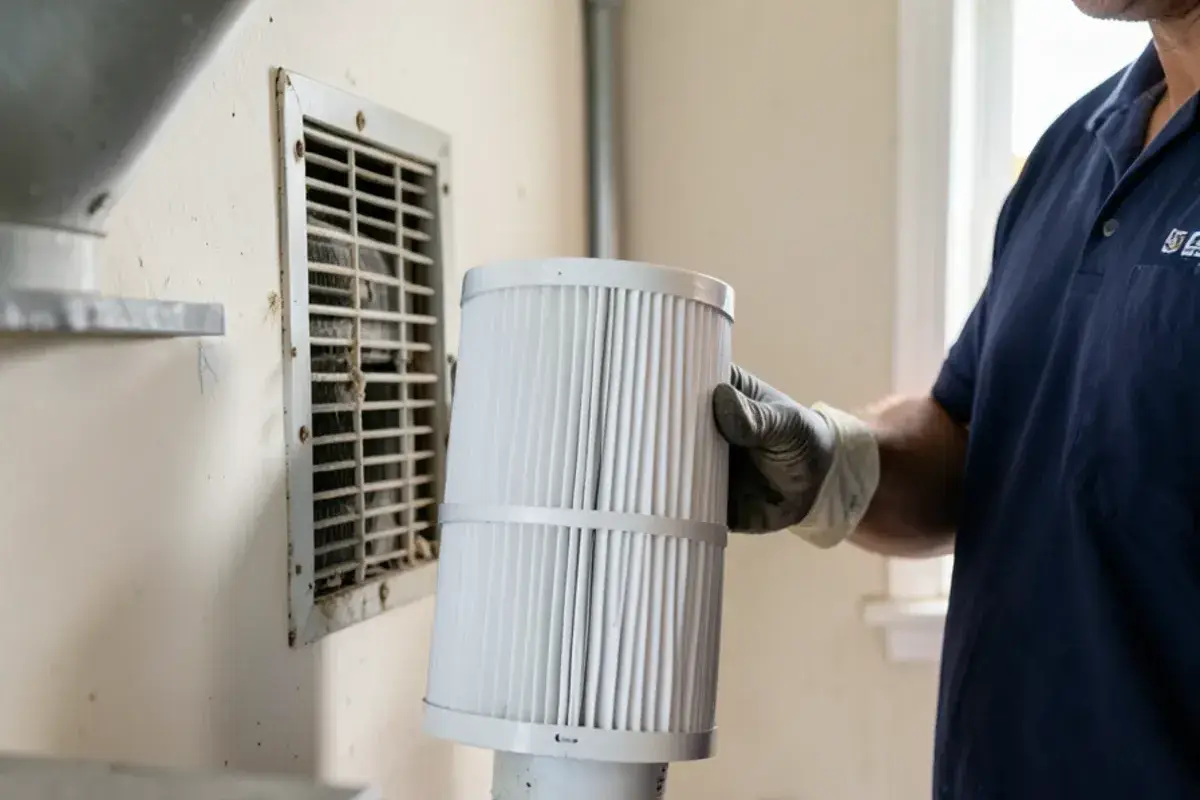
Often yes, but check first. MERV rates how well a filter catches particles from 0.3 to 10 microns. South Coast AQMD says MERV 13 or higher works best for smoke, and EPA suggests the highest rating your fan and filter slot can accommodate. That second half matters in a house from the 1940s or 1950s.
A denser filter can restrict airflow. Thin one-inch slots and undersized returns are the usual limits. Too little air across the coil can freeze it in summer, and in a furnace it can trip the safety limit. A technician can measure static pressure, which is the resistance the blower is pushing against, with the new filter in place. EPA says most furnaces can take MERV 13 if it is replaced often.
The fan setting has a cost too. EPA notes that longer run times can raise the electric bill and affect humidity. Leaks matter as well, because a filter at the hallway grille cannot clean air pulled through a leaking duct farther down the return.
How do you choose a wildfire smoke air purifier in Los Angeles?
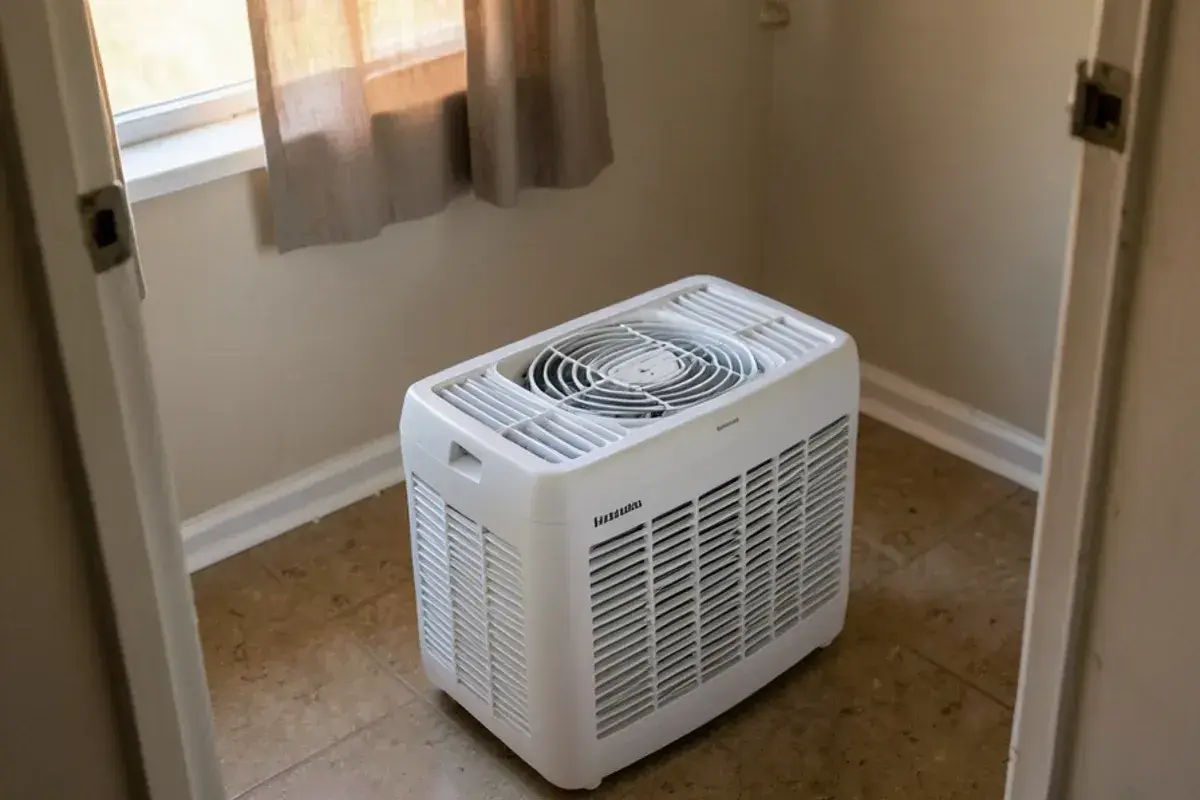
Pick by room size, then check the certification. CADR, the clean air delivery rate, tells you how much clean air a unit puts out. EPA’s chart for an 8-foot ceiling lists about 65 cfm for 100 square feet and 390 cfm for 600 square feet. Go bigger for higher ceilings. Then confirm the model is on the California Air Resources Board list.
CARB certification has limits. It covers electrical safety, and electronic models must stay at or below 0.050 ppm of ozone. It does not measure how well a unit cleans the air, so read both the CARB list and the CADR. Mechanical units, the pleated and HEPA filter types, make no ozone or ions. CARB has also covered electronic in-duct devices since October 2020, so ask for the certification on anything installed in your ducts.
Noise decides whether a unit gets used. EPA says noise depends on fan speed, and about 50 decibels is roughly a modern refrigerator. Buy a size up, so the unit can work at a speed you can sleep through. EPA’s budget stopgap is a high-efficiency furnace filter on a box fan, though it prefers commercial units with a known CADR.
Renters have a simple path here. Census figures show about 54.7% of occupied South Gate homes are tenant-occupied, and a portable HEPA cleaner usually needs no landlord approval and no ductwork. In Lynwood, South Gate or anywhere else in the county, it can move with you.
Why are ozone generators a bad idea?
They add a lung irritant to your home and do little to clean it. EPA says no federal agency has approved these devices for occupied spaces, and that ozone at levels within health standards has little effect on most indoor pollutants. Ozone can also react with indoor chemicals and form other irritants. Some ionizers and electrostatic units can emit ozone too, so check the list before you buy.
What should you do after the smoke clears?
- Pull the HVAC filter and the portable cleaner’s filter, and replace any that look dark.
- Mist ash on hard surfaces and wet mop it, as EPA advises. Skip dry sweeping and any vacuum without a HEPA filter.
- With power off at the disconnect, look at the outdoor coil and rinse off any ash.
After a smoke event, people often ask about their ducts. Read whether air duct cleaning is worth it before you book anything, and see our air duct cleaning page for how we approach it.
Cleaner air here starts with the right tool
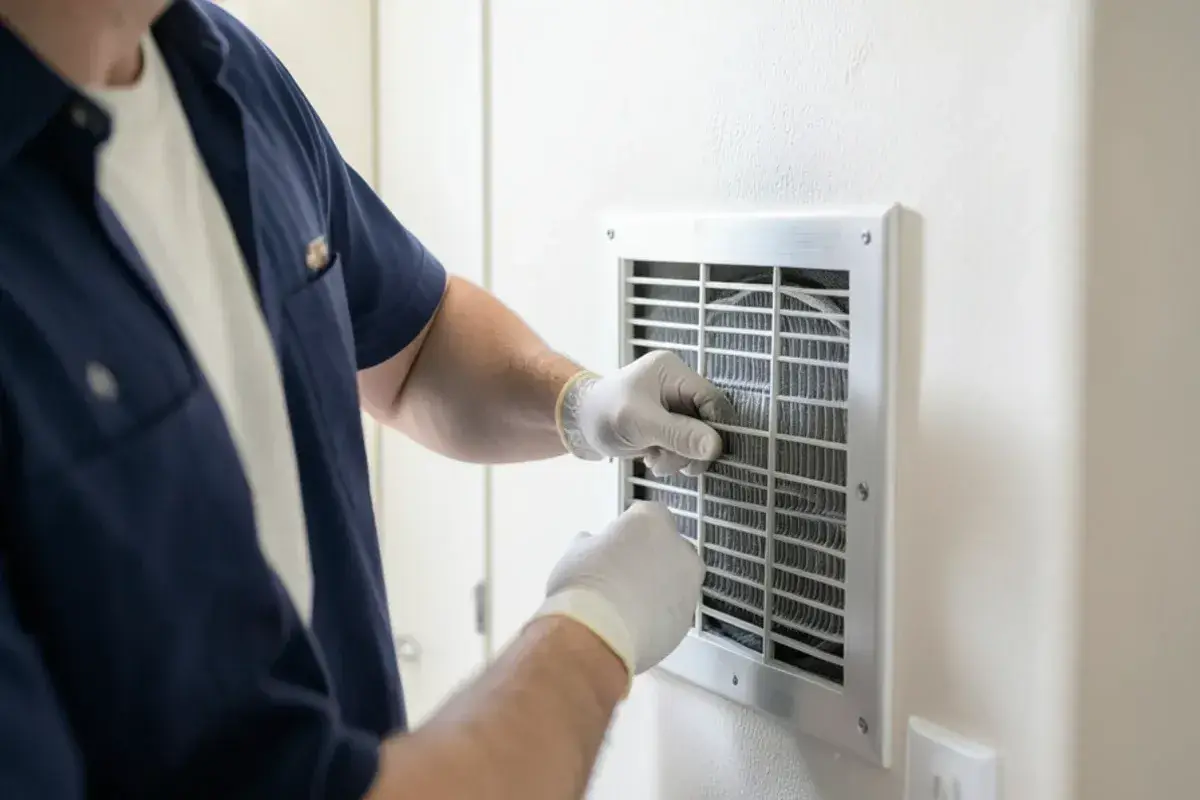
Particles and gases need different answers. A portable HEPA unit in the bedroom covers the worst smoke days. A filter upgrade only helps if the blower and the return can handle it, and that takes a measurement. Call us before the next smoke advisory. We will check the filter slot and the airflow, explain what your system can take and give you a clear, upfront quote.
Sources
- South Coast AQMD: Wildfire Smoke and Ash Health and Safety Tips
- South Coast AQMD: Air Quality Advisories
- South Coast AQMD: Sign Up for Air Alerts
- EPA: Wildfires and Indoor Air Quality
- EPA: What Is a MERV Rating?
- EPA: Guide to Air Cleaners in the Home
- EPA: Ozone Generators That Are Sold as Air Cleaners
- California Air Resources Board: List of Certified Air Cleaning Devices
- California Air Resources Board: Southeast Los Angeles community
- California Air Resources Board: Southeast Los Angeles emissions reduction program approval
- South Coast AQMD: 2022 Air Quality Management Plan, Chapter 2
- South Coast AQMD: Ozone advisory, August 7, 2025
- South Coast AQMD: Particle pollution advisory, June 17, 2026
- AirNow: AQI basics
- AirNow: Fire and Smoke Map, how to use
- EPA: Reduce Your Smoke Exposure fact sheet
- CDC: Indoor air filtration during wildfire events
Smog, Smoke and Indoor Air questions
Does a CARB-certified air cleaner remove wildfire smoke in Los Angeles?
Not automatically. CARB certification covers electrical safety and ozone limits on electronic units, and it says nothing about cleaning performance. For smoke in Los Angeles, look for a HEPA filter with a CADR that fits your room. A certified unit that is too small for the room will not do much, so read the sizing label as well.
Should I change my HVAC filter after a smoke advisory in South Gate?
Yes, check it during the event and again afterward. EPA says to replace filters more often than the manufacturer suggests during heavy smoke if they look dirty. A loaded filter restricts airflow and can freeze the coil on a hot South Gate day. Hold it up to a light. If you cannot see through it, change it.
Do air purifiers help with smog on bad ozone days in LA County?
A standard HEPA purifier does little for ozone, because ozone is a gas and HEPA catches particles. Units with a large amount of activated carbon can absorb some gases, though no common rating proves how much. On a bad ozone day in LA County, keeping windows closed in the afternoon and cutting outdoor activity are the steps that count.
Does central air pull wildfire smoke into a South Gate house?
Usually no, because most home central systems recirculate indoor air and have no outside intake. Smoke gets in through gaps, open doors and leaky ducts. Close any fresh-air intake if your system has one, and run a MERV 13 filter if the blower can handle it. In an older South Gate house with attic ducts, a torn return is worth checking.
Should I run the HVAC fan all day during a smoke advisory in LA County?
Yes, if the air outside is poor and your filter is clean. EPA says to set the fan to On so the filter keeps working between cycles. It costs some electricity, and a loaded filter restricts airflow, so check it often during a South Coast AQMD advisory. Switch back to Auto once the advisory ends.
Want cleaner air before the next smoke day?
Call Proair to go over filter fit, airflow and purifier options for your home, with a clear, upfront quote.
- CSLB C-20 #776028
- 4.8 from 16 Google reviews
- Shop in USA Business Park
- Open Mon to Sat, 9 to 5
Related services
Helpful reading
Areas we serve